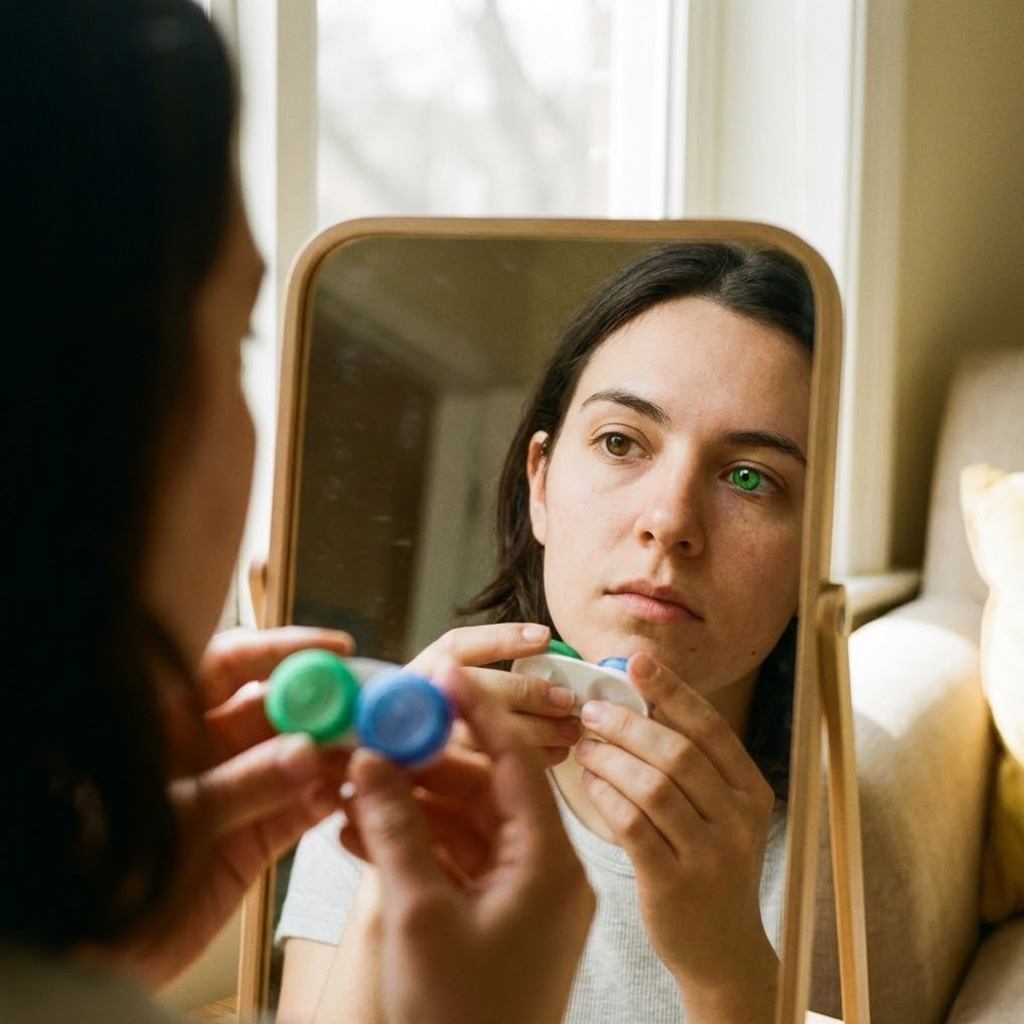

The desire to change eye color often stems from a combination of personal, aesthetic, psychological, or cultural reasons. Here are some key motivations:
- Aesthetic Appeal:
• Many people view lighter or different-colored eyes as a unique or desirable feature. For example, someone with brown eyes might desire blue or green eyes to stand out or achieve a different look.
• Some believe a specific eye color complements their overall appearance, fashion choices, or facial features.
- Self-Confidence:
• Changing eye color can boost self-esteem for individuals who have always wished for a particular eye color. They may feel more attractive or confident with their desired eye color.
- Cultural Influences:
• In some cultures or regions, lighter or rare eye colors are associated with beauty, elegance, or status, making eye color change a sought-after cosmetic enhancement.
- Desire for Uniqueness:
• Some individuals desire to stand out or feel unique. Changing their eye color to something less common (e.g., violet or gray) fulfills this desire.
- Emotional or Psychological Transformation:
• Eye color change can be part of a broader personal transformation or a way to mark a new chapter in life, much like a hairstyle or wardrobe change.
- Correcting Perceived Flaws:
• Some individuals might dislike their natural eye color due to negative associations or personal preferences.
- Media and Celebrity Influence:
• Celebrities or influencers who have unique eye colors, either naturally or through cosmetic means, can inspire others to make similar changes.
- Curiosity and Experimentation:
• Some people simply want to experiment with their appearance and see how they look with a new eye color.