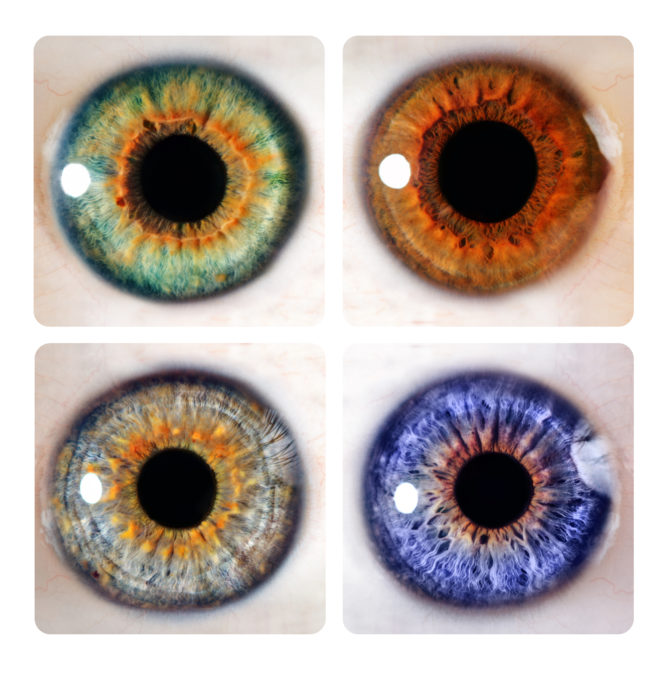

Keratopigmentation FLAAK (Corneal tattoo) Eye Color change (Check our blog page for more information?
Keratopigmentation (FLAAK), also known as corneal tattooing or corneal pigmentation, involves the insertion of pigment into the cornea to alter its color or appearance. Here’s a more detailed overview:
- **Purpose**:
– Cosmetic enhancement: Keratopigmentation is primarily performed for cosmetic reasons. It aims to improve the appearance of the eye, especially in cases where the cornea has significant scarring, discoloration, or irregularities.
– Medical indications: In some cases, keratopigmentation may be used for medical reasons, such as to match the color of a donor cornea with the recipient’s eye or to improve the appearance of an eye that has undergone surgical procedures like corneal transplants or corneal scars removal. - **Procedure**:
– Pre-operative assessment: Before the procedure, the ophthalmologist evaluates the patient’s eye health and determines the desired outcome.
– Pigment selection: Specialized pigments are chosen based on factors such as the desired color change and the patient’s eye characteristics.
– Anesthesia: Local anesthesia is typically administered to numb the eye and minimize discomfort during the procedure.
– Pigment implantation: Using precise instruments, the ophthalmologist implants the pigment into the cornea in a controlled manner. This may involve various techniques such as micropuncture or intrastromal injection.
– Post-operative care: Patients are usually prescribed antibiotic eye drops to prevent infection and instructed to follow specific post-operative care instructions to ensure proper healing. - **Safety and Risks**:
– Safety: Keratopigmentation should only be performed by experienced ophthalmologists or corneal surgeons who have specialized training in the procedure.
– Risks: Like any surgical procedure, keratopigmentation carries certain risks, including infection, inflammation, corneal haze, and potential damage to the eye’s structures if not performed correctly. Additionally, there may be risks associated with the long-term presence of pigment in the cornea, although adverse reactions are rare when performed by skilled professionals. - **Outcomes**:
– Cosmetic improvement: Keratopigmentation can result in a cosmetically enhanced appearance of the eye, with the cornea’s color being altered to achieve the desired aesthetic effect.
– Patient satisfaction: Patients who undergo keratopigmentation often report increased confidence and improved self-esteem due to the enhanced appearance of their eyes. - **Follow-up**:
– Regular follow-up appointments are necessary to monitor the healing process and ensure that the cornea remains healthy.
– Additional touch-up procedures may be required to achieve optimal results or address any fading or changes in pigment appearance over time.
Overall, keratopigmentation is a specialized procedure that can offer cosmetic benefits for individuals with corneal irregularities or discoloration, but it requires careful evaluation, skilled execution, and ongoing management to ensure safety and satisfactory outcomes.