
Is permanent eye color change possible?

Permanently changing eye color has become possible in recent years with the development of various methods. However, each method has its own unique advantages and disadvantages. Here are some common methods used to permanently change eye color: 1. **Keratopigmentation (Corneal Tattoo):(We perform this technique for over 8 years at Kaşkaloğlu Eye Hospital) – In this method, pigment is injected or tattooed into the corneal layer. – It is a surgical procedure and provides permanent results. – The desired pigment color can be used for aesthetic purposes. – It is also performed for therapeutic purposes to cover eye spots and correct iris defects. – The iris layer gives the eye its color. This method does not change the iris color; instead, the color is applied to the transparent layer in front of the iris. – The result is permanent, but the color may change over time. 2. **Iris Implants:** – These are silicone implants placed over the natural iris inside the eye. – It is a permanent method and can completely change the eye color. – This method is no longer preferred. 3. **Laser Iris Color Change:** – This involves using laser technology to lighten the eye color by reducing the pigment in the iris. – It is permanent and is mostly used to turn dark-colored eyes into lighter colors. – This method is no longer preferred. Since each of these procedures carries significant risks, it is important for individuals considering such treatments to have a detailed evaluation with an experienced and specialized eye surgeon. Additionally, these methods may not be available in every country or clinic, so it is necessary to be informed about local health regulations and levels of expertise. —
Frequently Asked Questions About Eye Color Change

What is Keratopigmentation? Keratopigmentation is a type of tattooing procedure where pigment is injected between the layers of the cornea for aesthetic or therapeutic purposes. At Kaşkaloğlu Eye Hospital, therapeutic keratopigmentation has been successfully performed for a long time with very positive results. Why is Eye Color Changed? Changing eye color is for aesthetic purposes and is not a medical necessity. It is done at the individual’s request. What is the Simplest Way to Change My Eye Color? Eye color is determined genetically by the pigments in the tissue called the iris. While it is possible to change the color of the iris by dispersing the pigments with a laser, this method does not produce the desired results and has been discontinued. Kaşkaloğlu Eye Hospital has never used this method. The simplest way to change eye color is to use colored contact lenses. However, those who wear colored contact lenses for a long time may develop intolerance (due to dry eyes or allergic conditions) and may not be able to use them anymore. Most people who want to permanently change their eye color are already colored contact lens users and are recognized by their surroundings with that eye color. Therefore, when they can no longer use colored contact lenses, they opt for permanent eye color surgery. Permanent eye color change is done by injecting pigment of the desired color into channels opened in the cornea with a laser. This process does not change the color of the iris. Is It Possible to Permanently Change Eye Color? Yes, it is possible to permanently change eye color. However, the color of the iris is not changed. It is done by injecting pigment into channels opened in the transparent corneal layer at the front of the eye with a laser. The color may change in tone over time. How Can I Change My Eye Color?* You can use colored contact lenses or permanently change it with the keratopigmentation (FLAAK) method. What is the Cost of Eye Color Change Surgery? The cost of eye color change surgeries does not vary based on the chosen color. However, it varies depending on the country, hospital, and doctor. Currently, it ranges between 5000-10000 Euros on average. How is Eye Color Changed with a Laser? To change eye color, channels are opened in the cornea with a femtosecond laser, and then pigment is injected into these channels. anC People Who Have Had Lasik (Eye Surgery) Get Eye Color Change Surgery? Except for some special cases, eye color change surgery is not performed on those who have had LASIK or SMILE surgeries. Who Can Have Eye Color Change Surgery? This surgery is an aesthetic procedure and requires the individual to desire to change their eye color. The individual should not have any other eye diseases. Your doctor will determine if you are a suitable candidate. How Long Has Eye Color Change Surgery Been Performed? Therapeutic eye color change surgeries have been performed for a long time. At Kaşkaloğlu Eye Hospital, we have been performing therapeutic applications for over 8 years. Aesthetic keratopigmentation, or changing eye color, has become popular in the last 4-5 years. However, there are those who have been performing this surgery for over 15 years. Where Are Eye Color Change Surgeries Performed? According to our current knowledge, eye color change surgeries for aesthetic purposes are performed in France, Spain, Italy, Switzerland, Lebanon, the United States, India, Iran, Egypt, and Turkey. What is the Current Method for Changing Eye Color? The current method for changing eye color is called FLAAK. In this method, the desired color pigment is injected into channels opened in the cornea with a laser to achieve color change. The color of the iris does not change. Is Eye Color Change Surgery Risky? Like any surgery, this procedure has risks. You should discuss the risks and possible complications with your doctor before deciding on the surgery. Is It Possible to Return to the Original Eye Color After Eye Color Change Surgery? The eye color change (FLAAK) procedure is permanent. Does the Eye Color Change Over Time After Laser Eye Color Change Surgery? The eye color may change in tone over time after the eye color change (FLAAK) surgery. Can I Have Eye Number Correction Surgery After Eye Color Change Surgery (FLAAK)? It is not possible to have LASIK and SMILE, but PRK, LASEK, or No-Touch procedures are possible.
What are the colors available for keratopigmentation eye color change?

The colors used for keratopigmentation eye color change come with CE mark for use for this purpose. They are pigments which do not cause a reaction in the cornea. There are severel colors. It is also possible to obtain various colors by mixing the basic pigments.
What is FLAAK for eye color change?

The FLAAK technique, or Femto Laser Aesthetic Annular Keratopigmentation, is a surgical method used to change the color of the eyes for both therapeutic and aesthetic purposes. This procedure involves creating a micro-tunnel in the cornea using a Femtosecond VisuMax laser, into which biocompatible pigment is introduced. The pigment is distributed evenly to achieve the desired color, leaving a natural-looking darker ring around the periphery for contrast. The FLAAK technique is considered safe and effective due to its minimally invasive nature and the use of high-quality pigments that are biocompatible with the cornea. The procedure is reversible, though repeated procedures may be limited. It requires local anesthesia and typically lasts between 30 to 45 minutes, with patients able to leave the clinic shortly after the operation. Post-operative care includes follow-up appointments and the use of prescribed eye drops to prevent infection and inflammation. Patients generally report high satisfaction with the results, and the procedure is viewed as safer compared to other methods like iris implants or laser iris depigmentation, which carry higher risks of complications such as glaucoma or corneal damage.
Keratopigmentation (FLAAK – Corneal tattoo) Eye Color change
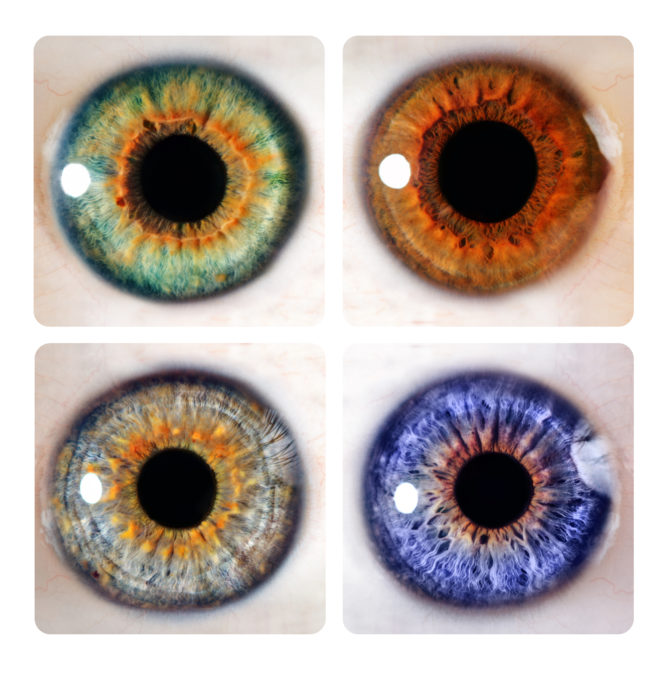
Keratopigmentation FLAAK (Corneal tattoo) Eye Color change (Check our blog page for more information? Keratopigmentation (FLAAK), also known as corneal tattooing or corneal pigmentation, involves the insertion of pigment into the cornea to alter its color or appearance. Here’s a more detailed overview: **Purpose**: – Cosmetic enhancement: Keratopigmentation is primarily performed for cosmetic reasons. It aims to improve the appearance of the eye, especially in cases where the cornea has significant scarring, discoloration, or irregularities. – Medical indications: In some cases, keratopigmentation may be used for medical reasons, such as to match the color of a donor cornea with the recipient’s eye or to improve the appearance of an eye that has undergone surgical procedures like corneal transplants or corneal scars removal. **Procedure**: – Pre-operative assessment: Before the procedure, the ophthalmologist evaluates the patient’s eye health and determines the desired outcome. – Pigment selection: Specialized pigments are chosen based on factors such as the desired color change and the patient’s eye characteristics. – Anesthesia: Local anesthesia is typically administered to numb the eye and minimize discomfort during the procedure. – Pigment implantation: Using precise instruments, the ophthalmologist implants the pigment into the cornea in a controlled manner. This may involve various techniques such as micropuncture or intrastromal injection. – Post-operative care: Patients are usually prescribed antibiotic eye drops to prevent infection and instructed to follow specific post-operative care instructions to ensure proper healing. **Safety and Risks**: – Safety: Keratopigmentation should only be performed by experienced ophthalmologists or corneal surgeons who have specialized training in the procedure. – Risks: Like any surgical procedure, keratopigmentation carries certain risks, including infection, inflammation, corneal haze, and potential damage to the eye’s structures if not performed correctly. Additionally, there may be risks associated with the long-term presence of pigment in the cornea, although adverse reactions are rare when performed by skilled professionals. **Outcomes**: – Cosmetic improvement: Keratopigmentation can result in a cosmetically enhanced appearance of the eye, with the cornea’s color being altered to achieve the desired aesthetic effect. – Patient satisfaction: Patients who undergo keratopigmentation often report increased confidence and improved self-esteem due to the enhanced appearance of their eyes. **Follow-up**: – Regular follow-up appointments are necessary to monitor the healing process and ensure that the cornea remains healthy. – Additional touch-up procedures may be required to achieve optimal results or address any fading or changes in pigment appearance over time. Overall, keratopigmentation is a specialized procedure that can offer cosmetic benefits for individuals with corneal irregularities or discoloration, but it requires careful evaluation, skilled execution, and ongoing management to ensure safety and satisfactory outcomes.