
A Safe Eye Color Change Surgery Guide
When it comes to altering your physical appearance, prioritizing your health should always be the deciding factor in your choices. This is especially true when dealing with an organ as exquisitely sensitive and vital as the human eye. For years, patients desiring a permanent shift in their eye color were presented with highly questionable, and often dangerous, surgical options. Today, however, the landscape of aesthetic ophthalmology has evolved dramatically. By leveraging cutting-edge laser technology and adhering to strict medical protocols, achieving a completely safe eye color change surgery is now a tangible reality for patients around the world. To truly understand what makes the modern procedure safe, one must first recognize the severe dangers of outdated methods. Historically, the most common surgical approach was the insertion of silicone iris implants. This invasive procedure involved making an incision and physically pushing a colored silicone disk into the anterior chamber of the eye, placing it directly over the natural iris. The global ophthalmic community has largely condemned this practice. The presence of a foreign object inside the eye’s internal chamber frequently causes chronic friction, leading to severe inflammation (uveitis), damage to the cornea’s endothelial cells, and dangerous spikes in intraocular pressure. These complications often result in secondary glaucoma and, in worst-case scenarios, irreversible vision loss. In stark contrast, modern keratopigmentation offers a profoundly different and biologically respectful approach, making it the only medically viable option for a safe eye color change surgery. The fundamental difference lies in where the procedure takes place. Keratopigmentation is an extraocular procedure. It strictly targets the cornea—the clear, protective outer dome of the eye—and never breaches the internal anterior chamber. By avoiding the internal structures entirely, the massive risks associated with intraocular pressure and implant friction are completely bypassed. The cornerstone of this safety profile is the utilization of the femtosecond laser. This is an incredibly sophisticated piece of medical equipment capable of emitting laser pulses at one quadrillionth of a second. Instead of using manual blades, which carry a higher risk of human error and irregular tissue cutting, the femtosecond laser is programmed by the surgeon to create a perfectly symmetrical, microscopic tunnel within the stroma of the cornea. This precision guarantees that the tunnel is created at the exact required depth, far away from the delicate endothelial layer and safely outside the patient’s visual axis. Furthermore, a safe eye color change surgery relies heavily on the quality of the materials used. The pigments introduced into the laser-created corneal tunnel are not standard cosmetic inks. They are highly specialized, biocompatible, and medically certified pigments explicitly developed for ophthalmic use. These pigments are designed to remain stable within the corneal tissue without causing allergic reactions, toxicity, or rejection by the body’s immune system. Once placed inside the stromal tunnel, the pigment is effectively sealed and protected from the eye’s natural fluids, ensuring a vibrant, long-lasting, and biologically safe cosmetic result. Finally, the technology and the materials are only as effective as the hands that wield them. The ultimate guarantee of a safe eye color change surgery is the expertise of the presiding surgeon and the standards of the medical facility. This procedure must be performed by a board-certified ophthalmologist who specializes in corneal and refractive surgeries. Clinics led by distinguished experts, such as Professor Dr. Mahmut Kaşkaloğlu, operate within fully accredited hospital environments, ensuring that sterile protocols, advanced diagnostic screenings, and comprehensive post-operative care are rigorously maintained. When you choose a reputable clinic that combines the power of the femtosecond laser, biocompatible pigments, and elite surgical mastery, you are investing in a beautiful aesthetic transformation without compromising the priceless gift of your vision.
Guide to Keratopigmentation in Turkey
For individuals seeking a permanent solution to alter their eye color, the world of aesthetic ophthalmology has never been more advanced or accessible. In recent years, an influx of international patients has transformed specific medical hubs into global centers of excellence for elective eye procedures. Navigating the journey of keratopigmentation in Turkey is a seamless process when you choose a world-class clinic equipped with state-of-the-art technology and led by seasoned medical professionals. If you are considering this life-changing procedure, understanding every step of the patient journey will provide you with peace of mind and set the right expectations for your medical travel experience. The journey to achieving your dream eye color begins long before you board a flight. It starts with a comprehensive remote consultation. Reputable clinics prioritize patient safety above all else, which means not everyone is immediately accepted as a candidate. You will be asked to provide your medical history and, in many cases, basic ophthalmological reports from your local eye doctor. This preliminary screening ensures that there are no glaring contraindications, such as severe dry eye syndrome, active infections, or pre-existing conditions like glaucoma. This rigorous vetting process is a hallmark of top-tier keratopigmentation in Turkey, reflecting a commitment to medical ethics rather than simply booking cosmetic appointments. Once you are provisionally approved and arrive at our specialized eye hospital, the in-person medical evaluation begins. This is an exhaustive, highly detailed process. Our expert surgeons, led by professionals like Professor Dr. Mahmut Kaşkaloğlu, utilize advanced diagnostic equipment to map the exact topography of your cornea, measure its thickness, and assess the overall health of your ocular structures. This step is non-negotiable. The cornea must be perfectly healthy to safely house the biocompatible pigment. During this phase, you will also have an in-depth discussion about your aesthetic goals. Using digital simulations and specialized color charts, the surgeon will help you select a pigment shade that not only covers your natural dark iris completely but also beautifully complements your facial features and skin tone. Following clearance from the medical team, the surgical phase is surprisingly swift and entirely painless. The procedure is performed in a completely sterile, highly advanced operating theater. Patients are given topical anesthetic eye drops, ensuring absolute comfort. The core of the procedure relies on a femtosecond laser—the same ultra-precise technology used globally for LASIK vision correction. The surgeon programs this laser to create a flawless, microscopic circular channel within the stroma (the middle layer) of your cornea. This step takes only a matter of seconds per eye and is executed with micron-level accuracy. Because the channel is created within the cornea, the delicate internal chambers of the eye, including the natural iris and the lens, remain completely untouched. Once the tunnel is perfectly formed, the surgeon delicately introduces the medically certified, biocompatible pigment. As the pigment fills the designated space, it creates a vibrant, natural-looking mask over your original eye color. The precision of the laser ensures that your central vision remains entirely unobstructed. The final stage of your keratopigmentation in Turkey is the immediate recovery and aftercare. One of the greatest advantages of this minimally invasive laser technique is the remarkably short downtime. Patients can typically open their eyes and see clearly shortly after leaving the operating room. You may experience minor side effects, such as mild light sensitivity, a slight watering of the eyes, or a sensation akin to having a small grain of sand under your eyelid. These symptoms are entirely normal and generally subside within 24 to 48 hours. To ensure optimal healing, you will be provided with a strict regimen of antibiotic and anti-inflammatory eye drops. Adhering to this medication schedule is vital to prevent any complications. Because the recovery is so rapid, many international patients utilize their remaining time to enjoy a relaxing mini-vacation, exploring the beautiful coastal sights or historical landmarks before attending their final post-operative check-up and flying home with their stunning, permanently transformed eyes.
Guide to a Safe Eye Color Change in Turkey
The global rise in medical tourism has made elective cosmetic procedures more accessible than ever before. Turkey, in particular, has emerged as a premier destination for high-quality, specialized medical care, drawing thousands of international patients each year. Among the most sought-after aesthetic treatments is the permanent alteration of eye color. However, when dealing with an organ as vital and delicate as the eye, safety must always be the absolute highest priority. If you are researching your options, understanding how to guarantee a safe eye color change is critical to protecting your long-term vision and achieving the beautiful results you desire. The quest for a safe eye color change requires a thorough understanding of the different methods available, because not all procedures are created equal. Historically, patients looking to change their eye color permanently were offered silicone iris implants. This procedure involved surgically inserting a colored silicone disk into the anterior chamber of the eye, directly over the natural iris. Over time, the global medical community recognized that this method was inherently dangerous. The implants often caused severe friction and inflammation inside the eye, leading to catastrophic complications such as corneal decompensation, chronic uveitis, cataracts, and secondary glaucoma. Because of these unacceptable risks, reputable surgeons around the world strongly advise against iris implants. Fortunately, medical technology has evolved, providing a modern, risk-averse alternative. Today, the only medically recommended pathway for a safe eye color change is laser keratopigmentation. Unlike implants, keratopigmentation does not enter the anterior chamber of the eye. It is an extraocular procedure, meaning it is performed exclusively on the superficial layers of the cornea. By using a highly advanced femtosecond laser to create a micro-tunnel in the cornea, surgeons can safely insert a biocompatible pigment to mask the natural eye color. Because the internal structures of the eye—the natural iris, the lens, and the fluid drainage pathways—are completely untouched, the risk of developing pressure-related conditions like glaucoma is virtually eliminated. Choosing the right technology is only half the equation; the other half is choosing the right medical professional and facility. A truly safe eye color change can only be performed by a highly experienced, board-certified ophthalmologist who specializes in corneal procedures. When traveling to Turkey for this surgery, patients must look beyond glossy marketing and focus on the credentials of the medical team. Our clinic is led by renowned experts like Professor Dr. Mahmut Kaşkaloğlu, bringing decades of specialized ophthalmic surgical experience to every single procedure. Furthermore, the environment in which the surgery takes place is paramount. A safe eye color change should never be performed in a standard cosmetic spa or a poorly equipped clinic. It requires a sterile, fully accredited hospital setting equipped with the latest diagnostic and surgical technologies. From the ultra-precise femtosecond lasers to the high-grade, medically approved pigments used to create the new color, every aspect of the facility must meet rigorous international healthcare standards. Before any surgery takes place, a comprehensive pre-operative screening is mandatory. This is perhaps the most crucial step in ensuring a safe eye color change. The surgeon must map the topography of your cornea, measure your endothelial cell count, and verify that your eyes are healthy enough to undergo the laser treatment. If a clinic is willing to operate without these exhaustive preliminary checks, it is a major red flag. In conclusion, achieving your dream eye color does not mean you have to gamble with your eyesight. By rejecting outdated implant methods, opting for advanced femtosecond laser keratopigmentation, and entrusting your care to an experienced surgeon in a fully accredited Turkish eye hospital, you can undergo a transformation that is as secure as it is stunning. Take the time to do your research, prioritize medical expertise over cheap shortcuts, and you will be well on your way to a beautiful, permanent, and safe aesthetic enhancement.
The Keratopigmentation Process Explained

For decades, the idea of permanently changing one’s eye color felt like something out of a science fiction novel. People who desired a different eye color had to rely on daily colored contact lenses, which often look unnatural and can cause chronic dry eyes or infections over time. Today, however, advancements in aesthetic ophthalmology have made permanent transformation a reality. At the forefront of this medical revolution is the keratopigmentation process, a highly advanced, minimally invasive laser procedure that is changing lives and boosting confidence for patients worldwide. Understanding the keratopigmentation process is the first step for anyone considering this life-altering procedure. Unlike older, dangerous methods such as silicone iris implants—which have a high rate of severe complications, including glaucoma and permanent vision loss—keratopigmentation does not involve placing any foreign objects inside the delicate internal chambers of the eye. Instead, this modern technique focuses entirely on the cornea, which is the clear, dome-shaped surface that covers the front of the eye. By working only on this superficial layer, the risks associated with intraocular pressure are completely bypassed. The journey begins with a comprehensive, rigorous medical consultation. Before anyone can undergo the procedure, an expert ophthalmologist must meticulously examine the patient’s ocular health. This includes measuring corneal thickness, checking eye pressure, and ensuring there are no underlying conditions like severe dry eye syndrome or active infections. This strict screening phase is a vital part of the keratopigmentation process, ensuring that only suitable candidates proceed, thereby maximizing safety and the quality of the final aesthetic result. During this consultation, patients also discuss their desired eye color, reviewing digital simulations or pigment charts to choose a shade that perfectly complements their skin tone and personal style. Once a patient is cleared for surgery, the actual procedure is surprisingly swift, usually taking less than an hour for both eyes. The surgeon begins by applying numbing eye drops, ensuring the patient remains completely comfortable and pain-free throughout the operation. The core of the keratopigmentation process relies on a state-of-the-art piece of medical technology known as a femtosecond laser. This is the exact same highly precise laser used globally for advanced LASIK vision correction surgeries. The femtosecond laser is programmed to create a microscopic, circular tunnel or channel within the stroma, which is the middle layer of the cornea. This tunnel is created with micron-level precision, ensuring it is perfectly symmetrical and at the exact correct depth—far away from the visual axis (the center of the pupil) so that the patient’s actual vision is never obstructed. Following the creation of this intracorneal channel, the surgeon carefully introduces a specialized, biocompatible medical pigment into the space. This pigment is specifically formulated for ophthalmic use, ensuring it is safe for long-term placement within the eye tissue. As the pigment fills the circular tunnel, it acts as a mask, completely covering the natural color of the iris beneath it. Because the pigment is placed inside the corneal tissue, it is protected from external elements and the eye’s natural fluids, resulting in a vibrant and permanent color change. The final stage of the keratopigmentation process is the recovery phase, which is famously brief. Patients are usually able to open their eyes and see clearly shortly after the surgery, though they may experience mild light sensitivity or a slight gritty sensation for the first 24 to 48 hours. By adhering to a simple regimen of prescribed antibiotic and anti-inflammatory eye drops, the cornea heals rapidly. Within just a few days, patients can return to their normal daily activities, enjoying their stunning new appearance without the daily hassle of contact lenses.
Choosing the Best Eye Color Change Clinic in Turkey

With the popularity of aesthetic eye surgeries rising, patients have many options, but finding the best eye color change clinic in Turkey requires looking at experience and accreditation. Not all clinics are created equal. The most critical factor is the surgeon’s background. Our clinic is led by Professor Mahmut Kaskaloğlu, a renowned figure in ophthalmology with decades of experience in corneal and refractive surgery. Experience matters because keratopigmentation is not just a cosmetic procedure; it is a medical one. The best eye color change clinic in Turkey will operate within a fully equipped hospital environment, not a simple beauty center. Sterility, emergency protocols, and the quality of the pigment used are non-negotiable standards that we uphold strictly. We use only biocompatible, medically certified pigments designed specifically for the cornea. Additionally, a top-tier clinic offers transparency. From your first consultation to your final check-up, you should feel informed and supported. We pride ourselves on honest communication regarding expected results and suitability. If a patient is not a good candidate for the procedure due to eye health reasons, we will be the first to tell them. This ethical approach is a hallmark of a leading medical institution. Finally, the facilities themselves speak volumes. Located in a modern, purpose-built eye hospital, we provide a comfortable and high-tech environment for our international guests. When you search for the best eye color change clinic in Turkey, look for the combination of advanced laser technology, expert surgical leadership, and a proven track record of happy patients.
The Role of Femtosecond Laser Eye Color Change Technology
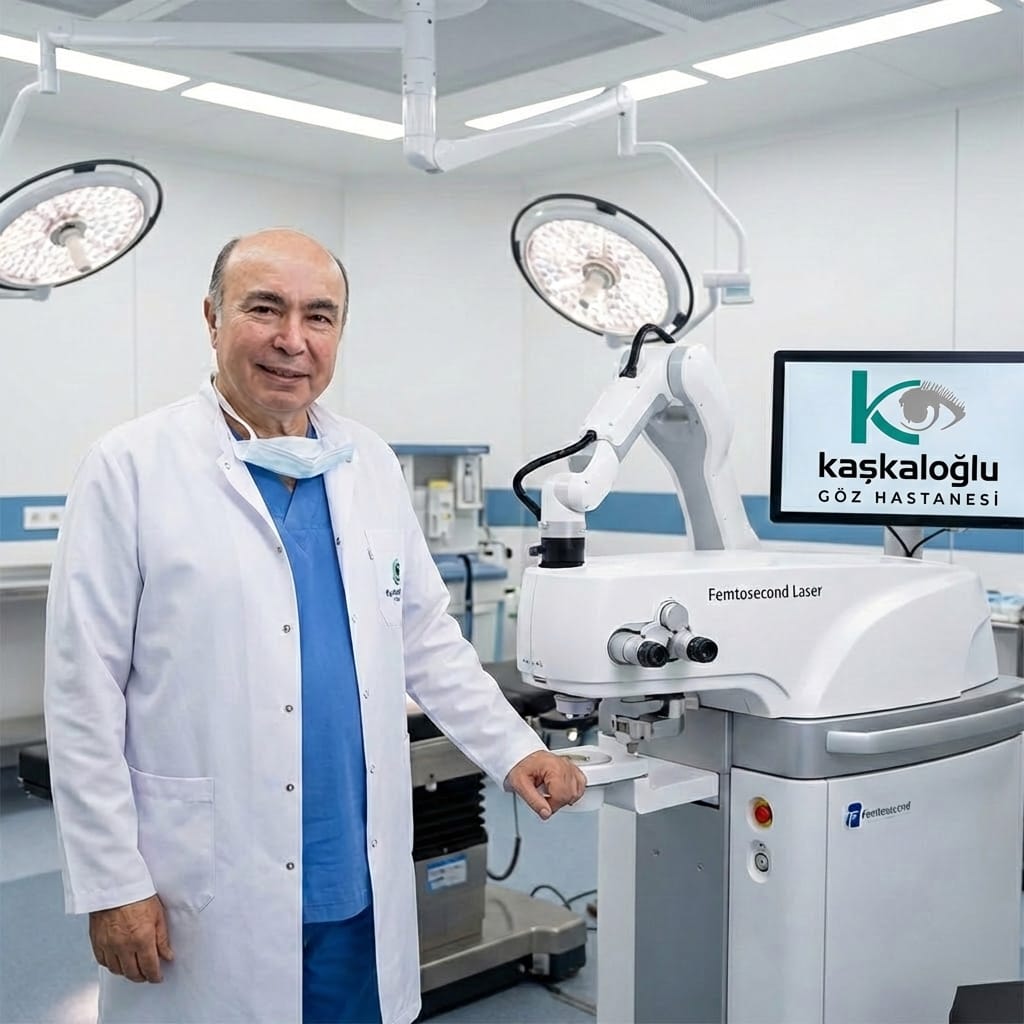
Precision is the cornerstone of safety in eye surgery, and nothing embodies this better than femtosecond laser eye color change technology. At our clinic, we have moved beyond manual techniques to use this state-of-the-art laser, which operates at ultra-fast speeds (one quadrillionth of a second). This technology is the same gold standard used in modern LASIK surgeries, adapted perfectly for aesthetic keratopigmentation. The primary function of the femtosecond laser in this procedure is to create the intracorneal tunnel where the pigment is placed. Unlike a manual blade, which carries a higher risk of irregularity, the laser creates a perfectly smooth, uniform channel at an exact depth. This precision is vital because it ensures the pigment is placed safely away from the nerves and the center of vision, making femtosecond laser eye color change the safest option available today. Another benefit of this technology is comfort. The laser is incredibly gentle, and the tunnel creation takes only seconds per eye. This speed reduces trauma to the eye tissue, leading to less inflammation and faster healing. Patients often report feeling only slight pressure during the laser activation, rather than pain. Furthermore, the computer-controlled nature of the femtosecond laser removes the variable of “unsteady hands.” The surgeon programs the exact parameters based on your eye’s unique measurements, and the laser executes it flawlessly. This customization ensures that the pigment ring is perfectly centered and symmetrical. Choosing a clinic that invests in femtosecond laser eye color change technology means you are prioritizing safety and results. It is the bridge between medical science and cosmetic art, providing a reliable path to the eye color you have always wanted.
What to Know About Eye Color Change Surgery Recovery Time

For international patients planning a trip to Turkey, knowing the eye color change surgery recovery time is essential for scheduling their travel. One of the biggest advantages of keratopigmentation over other surgical methods is how quick and manageable the recovery process is. Since the procedure is minimally invasive and does not penetrate the inner eye, the body’s healing response is rapid and typically uncomplicated. Immediately after the surgery, patients may experience some light sensitivity, watering, or a sensation similar to having a grain of sand in the eye. This is perfectly normal and usually subsides within 24 to 48 hours. Most of our patients are surprised by how quickly they feel “back to normal.” We generally recommend resting with your eyes closed for a few hours post-operation to allow the corneal tunnels to settle. By the next day, the majority of patients can open their eyes comfortably and see clearly enough to navigate their surroundings. While we advise against swimming or rubbing your eyes for a few weeks, you can enjoy the sights of the city relatively soon. This short eye color change surgery recovery time makes it an ideal procedure to combine with a holiday. You won’t spend your entire trip in a hotel room recovering; you can typically go out for dinner or a walk the very next day. Post-operative care is simple but vital. You will be provided with antibiotic and steroid eye drops to prevent infection and inflammation. Adhering to this drop schedule is the most important part of your recovery. Regular follow-up checks before you fly home ensure that everything is healing as expected. In summary, the eye color change surgery recovery time is minimal, allowing you to return to your daily life—with a stunning new look—almost immediately. It is a procedure designed for the modern lifestyle: high impact, low downtime.
Can You Change Brown Eyes to Blue Permanently
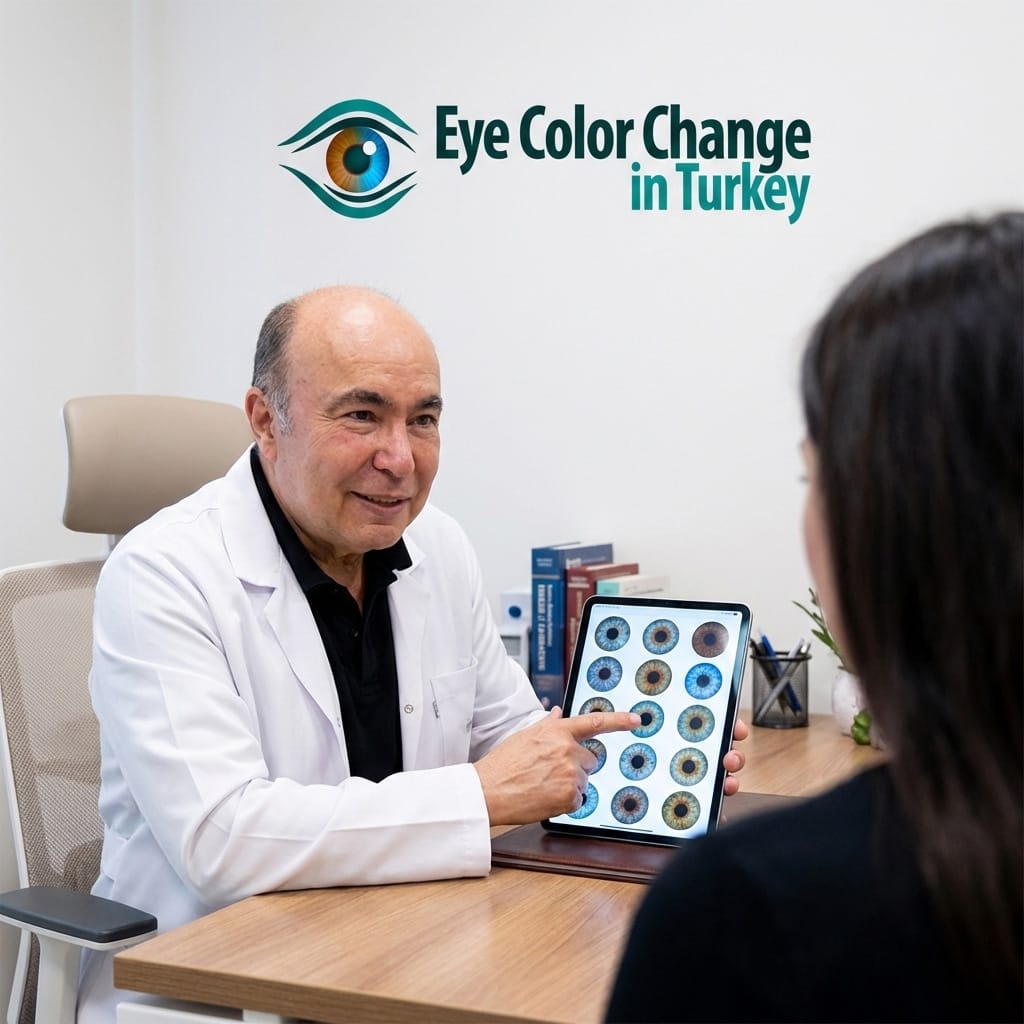
One of the most frequent inquiries we receive comes from patients with naturally dark irises asking if they can change brown eyes to blue permanently. The answer, thanks to modern keratopigmentation, is a resounding yes. Unlike older laser depigmentation techniques that rely on removing melanin—often with unpredictable results and safety risks—keratopigmentation adds a new layer of color. This means the procedure is equally effective regardless of how dark your natural eye color is. The process works by creating a safe, superficial tunnel in the cornea and inserting a medical-grade pigment. Because this pigment sits on top of your natural iris color rather than altering the iris itself, it provides excellent coverage. Whether you desire a piercing ice blue, a soft honey green, or a misty gray, the pigment completely masks the brown underneath. This allows for a dramatic yet natural-looking transformation that contact lenses simply cannot replicate. Many patients worry that dark eyes might require more invasive surgery, but the technique remains the same for everyone. The femtosecond laser creates the channel with micron-level precision, ensuring the pigment is distributed evenly. This uniformity is crucial for those looking to change brown eyes to blue permanently, as it prevents the natural brown color from showing through or creating an uneven tone. Before the procedure, a simulation or consultation helps determine which shade of blue best suits your skin tone and facial features. Since the change is significant, choosing the right hue is part of the artistic process. The goal is to ensure that your new blue eyes look like they have always been yours. If you have been dreaming of a lighter eye color but felt limited by your genetics, this procedure offers a safe and effective solution. We have successfully helped hundreds of patients change brown eyes to blue permanently, giving them the look they have always desired with the safety of advanced medical technology.
“Ultimate Guide to Permanent Eye Color Change: What You Need to Know”
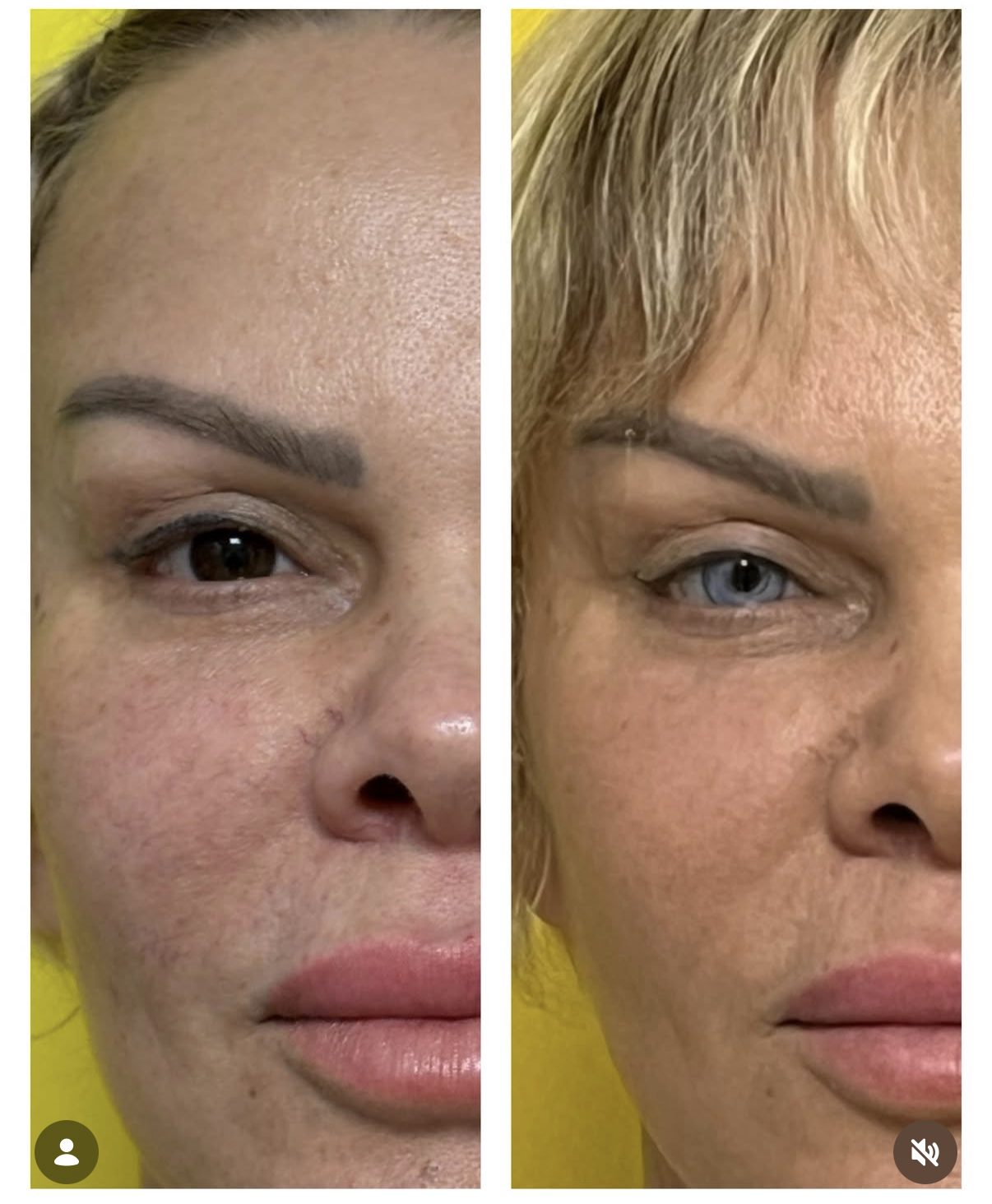
“Ultimate Guide to Permanent Eye Color Change: What You Need to Know” Introduction Changing your eye color permanently has long been a dream for many. Thanks to modern ophthalmological advances like keratopigmentation — especially the FLAAK (Femto Laser Assisted Annular Keratopigmentation) method — this aesthetic transformation is now possible with precision and safety. In this guide, we break down how permanent eye color change works, who is a suitable candidate, what to expect during recovery, and the key advantages vs. risks. What Is Keratopigmentation? Keratopigmentation is a surgical technique that places a medical-grade biocompatible pigment into the corneal layers to mask your natural iris color. Unlike colored contact lenses (temporary) or risky iris implants, this technique creates a visible new eye color that lasts long-term. How the FLAAK Procedure Works The FLAAK method uses a femtosecond laser to create a precise tunnel in the cornea where pigment is placed. This bladeless, computer-guided technology ensures accurate pigment placement while protecting deeper eye tissues, making it safer than older manual methods. Step-by-Step: Comprehensive eye exam & consultation Digital eye color simulation if demanded Topical anesthesia Femtosecond laser micro-tunnel creation Pigment application into the cornea Post-procedure checkups Recovery is typically quick, with most patients resuming normal activities shortly after the procedure. Am I a Good Candidate? Ideal candidates: ✔ Healthy eyes without active disease ✔ Desire permanent color change ✔ Realistic expectations Those with previous eye surgeries (e.g., LASIK/SMILE) may require extra evaluation. Benefits Over Other Methods Method Permanent? Safety Customization Colored Contact Lenses ❌ Moderate Limited Iris Implants ❌ (high risk) Low (complications) Variable Keratopigmentation (FLAAK) ✔️ High Multiple colors available With keratopigmentation, you choose from a range of biocompatible shades that can be mixed and matched for a natural result. Risks & Considerations Like any medical procedure, keratopigmentation carries some risks: 🔹 Mild inflammation 🔹 Pigment fading over time 🔹 Rare infection 🔹 Rare vision changes if performed improperly But when done in specialized centers like Kaşkaloğlu Eye Hospital, complications are uncommon and well-managed. Aftercare & Follow-Up Post-procedure care includes: ✔ Antibiotic & anti-inflammatory eye drops ✔ Avoiding swimming or eye rubbing ✔ Scheduled check-ups to ensure pigment stability Routine follow-ups help maintain eye health and long-term satisfaction. Conclusion Permanent eye color change through keratopigmentation is a safe, esthetic, and customizable solution for people seeking a lasting transformation without the risks of other methods. Always consult an experienced ophthalmologist and choose a clinic that prioritizes safety, technology, and personalized care. 👉 Ready to explore your new look? Book a free consultation today. Reach out to Ms.Derya by phone /Whatssapp at: +90 532 5961601
What to Expect: Permanent Eye Color Change Results in Turkey
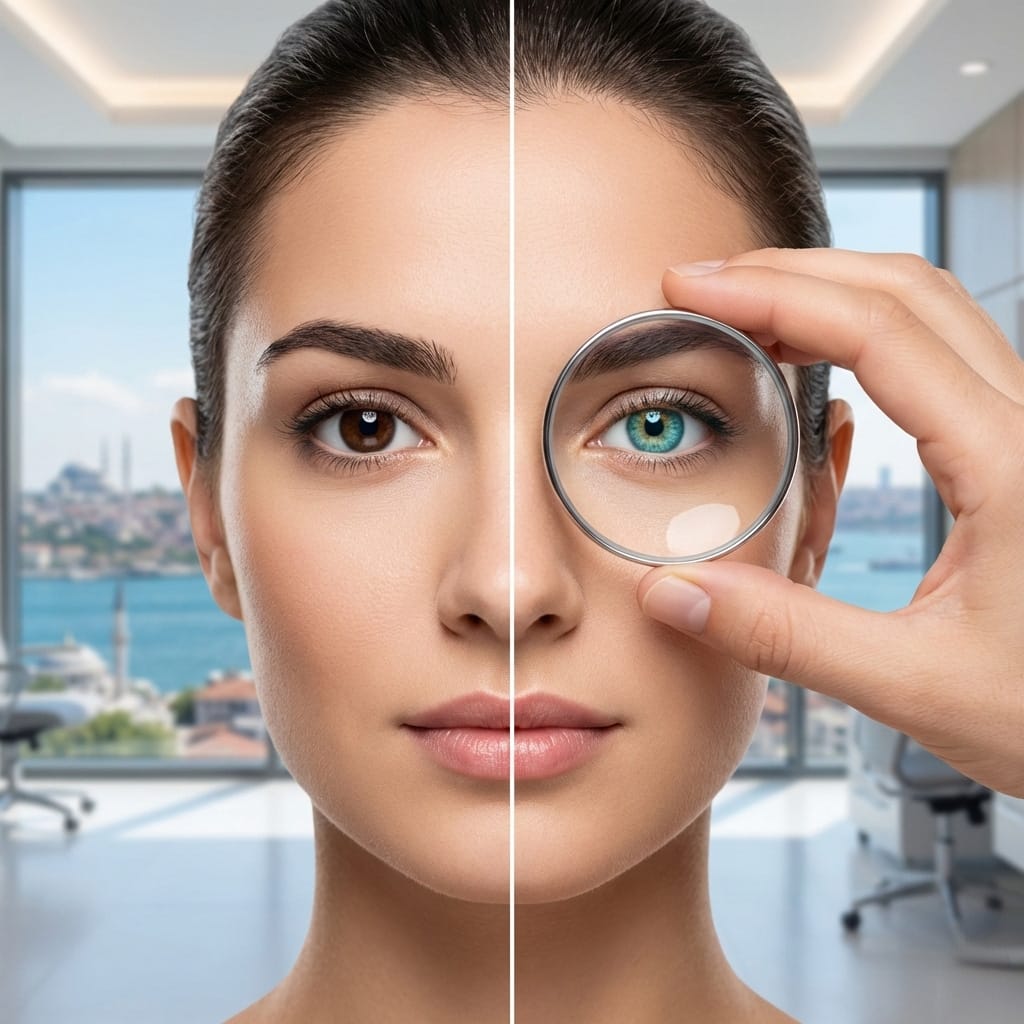
One of the primary reasons patients travel from all over the world to Turkey is the assurance of longevity. Unlike colored contact lenses that must be removed daily, or temporary enhancements, the permanent eye color change results achieved through laser keratopigmentation are designed to last. The science behind this lies in the precise application of the pigment into the corneal stroma. Once the femtosecond laser creates the tunnel and the pigment is placed, the cornea heals over it, effectively sealing the color in a stable environment protected from external elements. The visual impact is immediate. As soon as the procedure is complete, the new color is visible, masking the natural pigmentation underneath. While there is a short healing period where the eyes might be slightly sensitive, the “wow” factor is instant. Patients seeking permanent eye color change results are often amazed by how natural the outcome looks. The pigments used are selected to mimic the texture and depth of a natural iris, avoiding a flat or cartoonish appearance. Maintenance for these results is minimal compared to the life-changing confidence they provide. While the eye is a living tissue and minor fading can theoretically occur over many years, the procedure is adjustable. However, the vast majority of our patients enjoy their new look for years without needing touch-ups. The stability of the pigment in the corneal tunnel ensures that the vibrancy remains consistent, unaffected by the eye’s natural aqueous fluid. Ultimately, achieving satisfactory permanent eye color change results depends heavily on the skill of the surgeon and the technology used. By choosing a reputable center in Turkey equipped with the latest laser systems, you are investing in a result that combines artistic beauty with medical permanence. It is not just about changing a color; it is about permanently enhancing your self-expression with the confidence that the results are there to stay.